
The last week has been filled with lots of reflection, as I generally do as I get closer to my infusion time. I am one of the many that belong to a group of IBD warriors who never truly experienced remission. Each medication, each treatment have brought some relief but never true remission. In the last 8 years, I don’t recall a single day where I had no symptoms, whether that is the daily cramps, or the tingles I get in my wrist when I get closer to an infusion date. For me my treatment brings my inflammation down but never fully stops it. My treatment reduces the intensity of my cramps, but never gets completely rid of it. And although infusions have been effective, every time I near my next infusion, my symptoms increase.
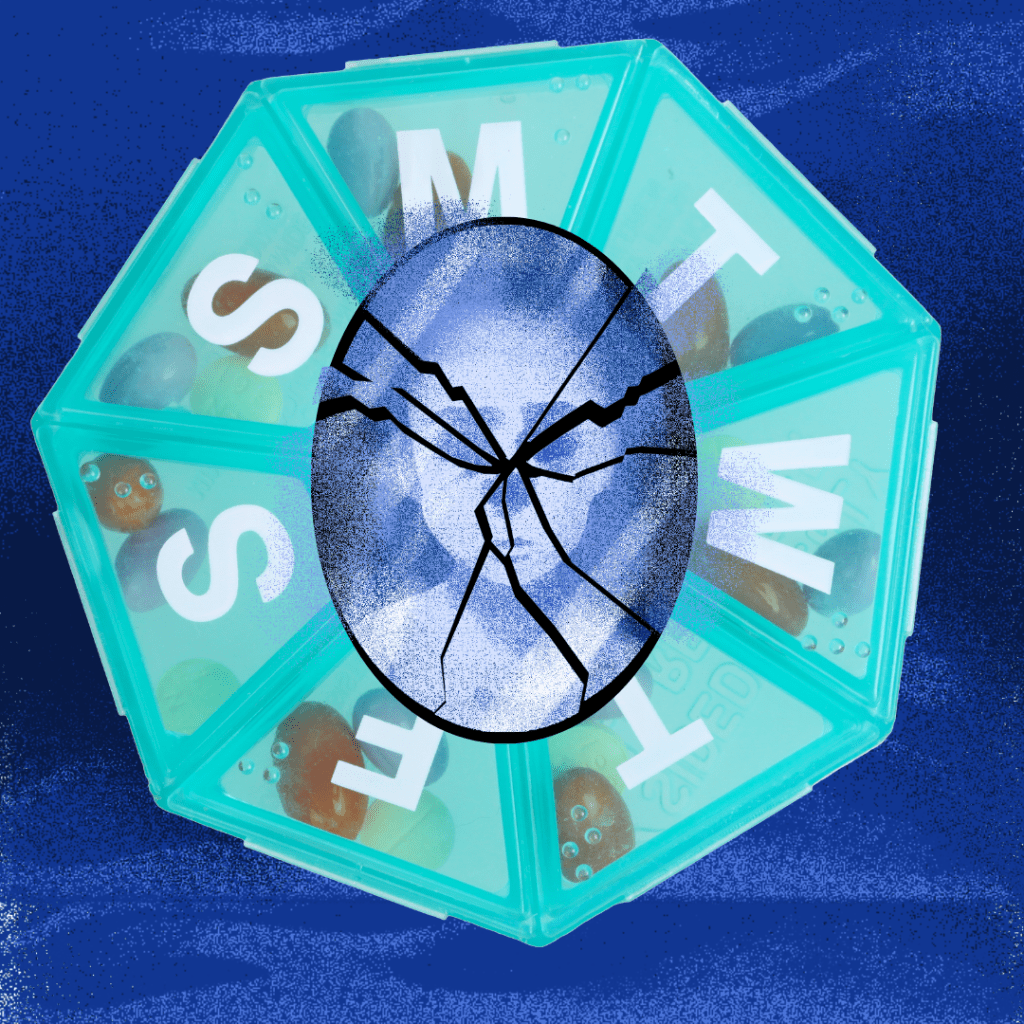
This in return left me dealing with a phenomenon called treatment fatigue. Essentially this occurs with patients with life-long/ long-term need for medical treatments. At its core it is when a patient starts to struggle from mental and physical exhaustion from the effort needed for their medical treatment. In layman terms medical burnout. There are several ways this can manifest, and sometimes these manifestations can overlap. Some common manifestations are( but are not limited to):
- The feeling of being tired of needing medications
- Struggling to keep up with medical regimes
- Shame around having medical burnout
- Being tired of constant Dr appointments
- Tired of the constant trade off of side effects
- Developing the longing to take a “break” from being a patient
- Etc.
Personally the hardest part of navigating treatment fatigue, is accepting where I am at without shame or guilt. Coming to terms with how I felt was by far one of the hardest things I had to come to terms with. As I would always find myself thinking how there is a struggle following my treatment. Like it is the thing keeping me healthy and I have access and that should be enough. Yes I have to fight insurance often but it always works out. Yes I needed surgery, but it was successful so I had no right to grieve. I have limited options, yet I had options.
As I took the time to reflect this week, I realized that my struggles didn’t mean I wasn’t grateful. I was and am grateful for how far my treatment has gotten me. With that said I recognize that fighting a lifelong illness takes a toll. And in the thick of it, one can lose sight of the bigger picture. It is ok for me to have mixed feelings around my medical journey.
When symptoms are in control I can still inquire about other treatment options that work better for me when it comes to upkeep. Whether that is seeing if I can qualify to get my infusions as an injection to lessen the amount of hospital visits or see if I can transition from a pill medication to an injection so it’s less daily medications. I can talk to my providers about plans and changes around dosaging so that my medication is effective and works for my schedule. Granted, sometimes I will still have to plan some day to day tasks around my treatment, having some control is better than none. The primary goal is to find what will keep my symptoms at bay, from there though the secondary goal should be finding the treatment that takes the least toll on my mental health.
If I can leave you with one thing that would be to let go of any shame around treatment fatigue, as it’s not your fault. I encourage you to reach out to your health care provider to see how you can adjust your treatment to meet your needs. And this doesn’t have to be during your next flare. It can be proactive.
As always Embrace Your Shakti,
Max Chaudhary
 Embrace Your Shakti
Leave a comment